What Are the Main Ingredients Found in Vodka?
The list of vodka ingredients is surprisingly short. It is made from only a few components: a fermentable raw-material base, water and sometimes a small amount of additives to adjust the taste.
Alcohol is obtained specifically from the raw-material base. These can be grains such as wheat or rye, potatoes, grapes or even sugar beet.
Water makes up most of the finished product – about 60% – so its quality directly affects how soft the vodka feels on the palate.
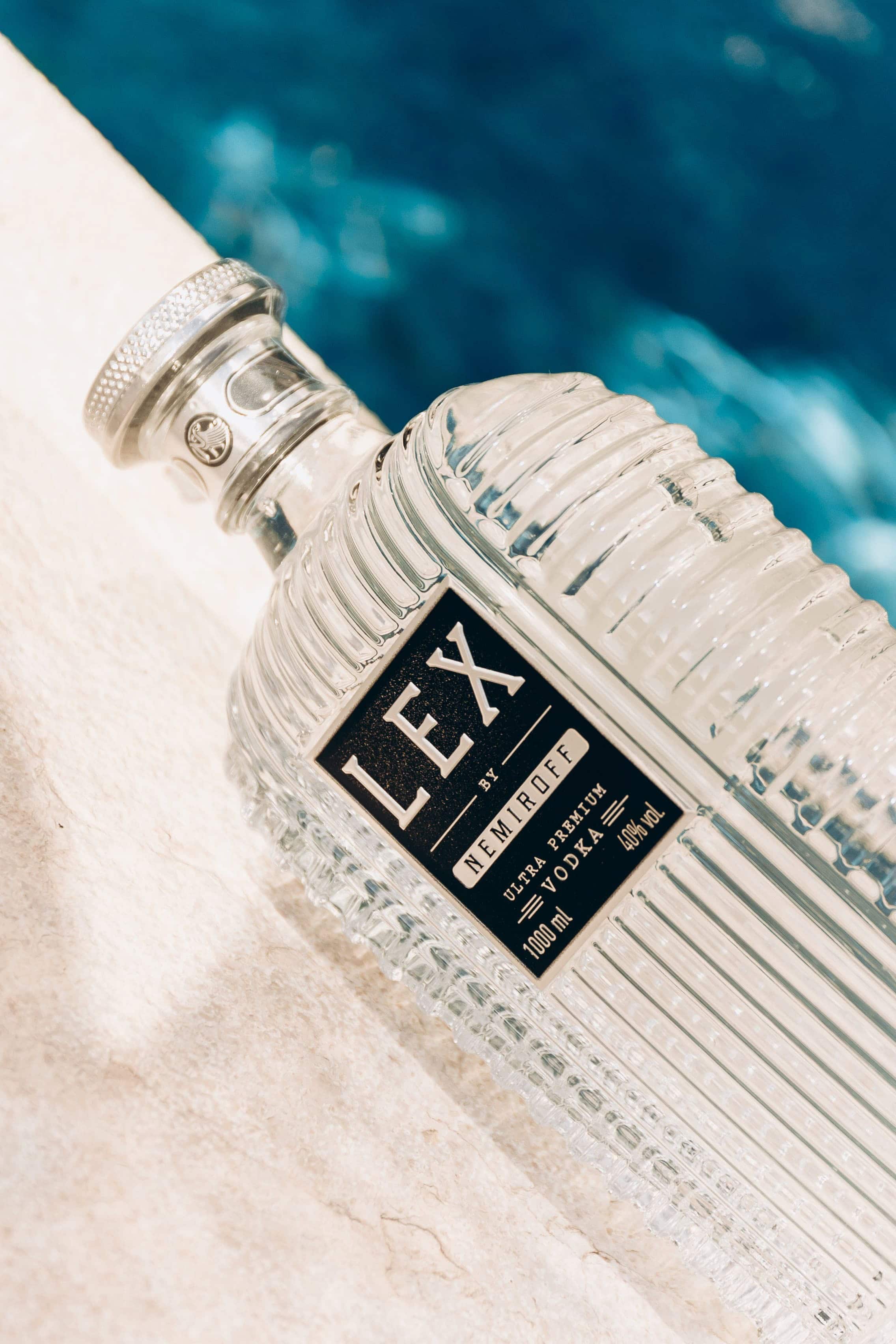
Some producers also add a small amount of sugar or glycerin to adjust the texture of the drink. However, the best vodkas, such as LEX by Nemiroff, rely on the purity of their ingredients and the precision of the production process to provide a premium taste experience.
Which Grains Are Most Commonly Used to Make Vodka?
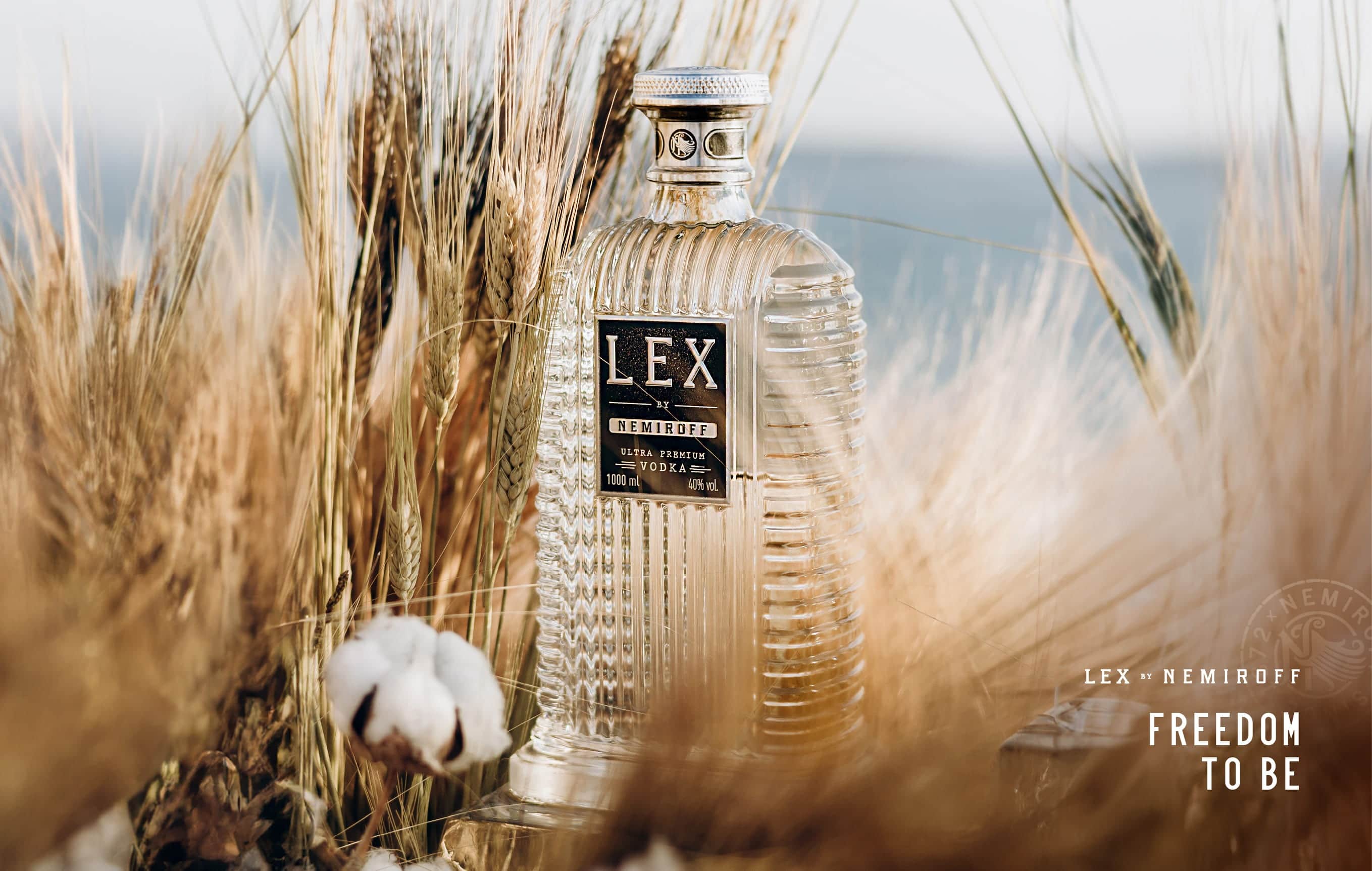
Grains are the most common base for the production of alcohol. Wheat, rye and corn are most often used, each of which gives the drink special properties. Wheat provides a soft, light texture with a delicate, slightly bready sweetness. Rye gives a spicy, expressive and peppery character. Corn creates a richer, almost creamy taste. Barley, which is also used in production, adds freshness and a characteristic grain nuance to the drink. LEX by Nemiroff is created on the basis of high-quality Lux-class grain alcohol, which provides its silky texture and refined character. This emphasizes that even when using ready-made alcohol, its quality and origin remain decisive for the final taste of the drink.
Can Vodka Be Made from Potatoes, Corn, and Other Ingredients?
Absolutely. While grains dominate the market, potatoes have a long and respected history as a base for vodka. Potato vodkas tend to have a fleshy, earthy mouthfeel with savoury notes that reflect the soil where the potatoes were grown. Despite their reputation, only about three percent of the vodka sold worldwide is made from potatoes. Beyond grains and potatoes, distillers have experimented with just about everything that can be fermented. Grapes, sugar cane, quinoa, rice, honey, and even whey have been used to create vodka. Each of these vodka base ingredients leaves its mark on the final spirit, making the choice of raw material a key factor in the vodka production process.
How the Choice of Raw Materials Affects the Final Spirit
Although many people believe that all vodkas are the same, after tasting several options it becomes obvious that there are noticeable differences between them. The main reason lies in the different ingredients used for production.
For example, alcohol made from rye forms a spicy, somewhat peppery character; wheat gives softness and a light bready sweetness; potatoes add earthy, nutty notes, and corn adds richness and an almost creamy nuance. These nuances are not always felt strongly, but they are precisely what determine the texture of the vodka and its aftertaste. To create the final drink, prepared water is added to the alcohol, as well as, depending on the recipe, aromatic spirits, infusions, fruit drinks, extracts, natural honey, sugar and other ingredients that form the unique profile of each vodka.
For example, LEX by Nemiroff, made on the basis of selected grain and the purest artesian water, has a complex taste profile that goes far beyond neutrality. It demonstrates that even a neutral strong drink can have a distinct individuality shaped by the characteristics of its raw materials.
How Vodka Is Produced from Fermentation to Distillation
Before vodka reaches the glass, the alcohol, its base, goes a long way. It all starts with raw materials. These can be grain, potatoes, sometimes even molasses. They are crushed, mixed with water and heated so that starch turns into sugar. Then yeast is added, which begins fermentation, converting sugar into alcohol. The result is a liquid similar to beer — with a strength of about 8–10%.
Next comes distillation. This is the process during which the liquid is heated in a special apparatus. Alcohol, being a lighter substance, evaporates first. It is cooled and turned back into liquid. In this way, alcohol is separated from water and other impurities. To obtain high-purity alcohol, distillation is carried out several times. In industry, column apparatuses are used for this, which allow a strength of almost 96% to be achieved.
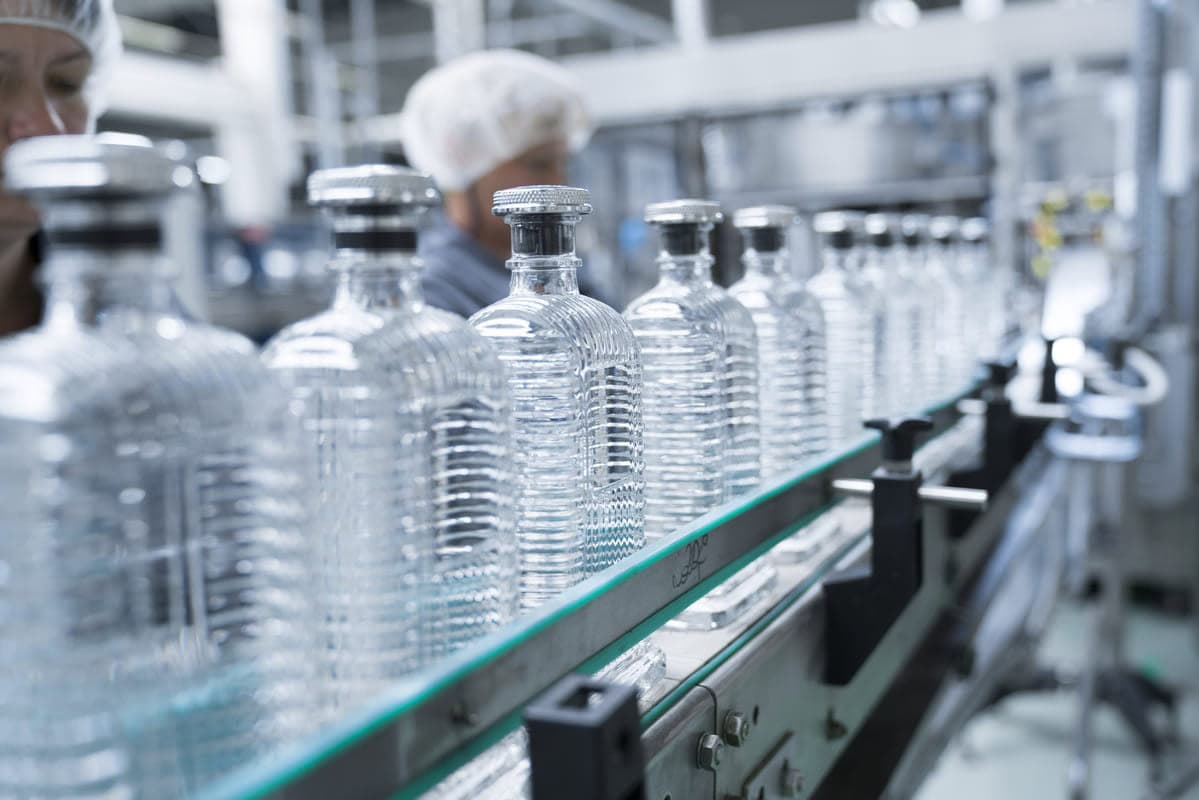
After vodka distillation, the alcohol needs purification. It is passed through activated carbon or other filters to get rid of residual substances that can affect smell and taste. Only after this does it become the base for vodka. At the final stage, the alcohol is mixed with prepared water, brought to the required strength, and other ingredients are added depending on the recipe.

Why Water Plays a Critical Role in Vodka Quality
Water is not just a component for dilution, but one of the main ingredients of vodka. In production, it is used twice: first to prepare the mash, and then to dilute the alcohol after distillation.
Since water makes up about 60% of the finished product, its purity and mineral composition significantly affect the final taste. Producers often take water from artesian wells or natural springs to guarantee the absence of impurities and a balanced mineral content.
The water used to create LEX by Nemiroff comes from deep artesian wells and undergoes multi-level preparation, which makes it an important element in shaping the organoleptic properties of the vodka. Its natural purity and balanced mineral composition contribute to the softness and harmony of the taste, allowing delicate floral notes to unfold without unnecessary nuances. It is precisely this attention to water quality that is one of the features distinguishing LEX from other drinks.
What Sets Premium Vodka Apart from Standard Brands
The differences between standard and premium vodka are determined primarily by the quality of the alcohol and water, as well as the technological features of production. The key role is played by the processes of water preparation, purification and filtration of the water-alcohol mixture, which directly influence the formation of the organoleptic characteristics of the finished product.
In addition to the base components, premium vodkas may contain additional ingredients provided for by the recipe: aromatic spirits, natural extracts, honey, sugar and other components. It is they that give the drink characteristic taste and aroma nuances, forming its individual profile and distinction from other brands.
An example of additional efforts aimed at creating a high-quality product is LEX by Nemiroff, which undergoes 13 stages of filtration and is aged for six months before bottling. Such careful production is intended to remove impurities and allow the taste and texture of the drink to fully unfold.
Common Questions and Misconceptions About Vodka Ingredients
There are plenty of myths about what goes into vodka. One of the most common is that all vodka is made from potatoes. In reality, most vodka is grain-based, and potato vodka accounts for a very small fraction of global sales.
Another misconception is that vodka is completely flavourless. While it is a neutral spirit, the base ingredients do leave subtle traces on the palate. Wheat brings softness, rye brings spice, and potatoes bring earthiness.
Some people also believe that additives are used to mask poor quality, but in many cases, they are simply tools to achieve a specific texture or consistency. The best vodkas, like LEX by Nemiroff, rely on quality ingredients and careful production rather than additives to deliver a premium experience.
Conclusion
In the end, what is vodka made from, then? Water and alcohol – a simple set, but it is precisely this that becomes the foundation for a drink that can be either ordinary or exceptional. The difference between them lies in the details: water preparation, filtration technology, aging and carefully selected additional ingredients that form a unique taste.
LEX by Nemiroff is an example of how a combination of high-quality raw materials and modern technological solutions allows creating vodka with a distinct character, soft texture and harmonious aftertaste. So next time you pour a glass, remember: this is not just a drink, but the result of thoughtful work at every stage of production.