.avif "Hosting a Five-Senses Evening: Taste, Sound, Light, Texture, Aroma")
What is a Multi-Sensory Experience in Dining?
This is an approach where guests experience what is happening not only through their plate, but also through the surrounding space, including how LEX by Nemiroff is presented. Research shows that our perception of taste directly depends on external factors. For example, the colour of the lighting can make a drink taste sweeter, and background music can enhance the perception of spicy notes.
When creating a sensory dining experience, you become the director. Your task is to ensure that every element, from the height of the glass stem to the intensity of the scent of the candle in the hallway, tells a single story.
.avif)
Setting the Scene: Light and Sound
Light and sound are the foundation on which the emotional backdrop of the evening is built. To create a cosy atmosphere, avoid bright overhead lighting in favour of layered lighting. Use dimmers, floor lamps and candles. Warm, subdued lighting is relaxing and conducive to long conversations.
The background music should match the rhythm of the evening. Start with light ambient or jazz music when guests are just arriving. As the conversation becomes more lively, you can add more rhythmic compositions. It is important that the music does not drown out people's voices, but serves as a soft, velvety background.
Aroma and Taste: The Sensory Dining Experience
Aroma and taste work in tandem. The first impression begins with the nose. Guests can be welcomed not only with appetisers, but also with subtle, unobtrusive aromas in the air – citrus zest, fresh herbs, spices or even scented candles with woody notes.
The aroma of cocktails, especially those prepared with a citrus twist or spicy syrups, is also a powerful tool. In this case, light, high-quality alcohol will not dominate, but allow other components to unfold.
When planning the menu, create contrast and consistency. Start with light, refreshing flavours based on LEX by Nemiroff. Then move on to more intense and complex ones (smoky, spicy notes). Finish with a sweet or bitter note (dessert or digestif). Each flavour with LEX by Nemiroff will be distinct, yet not overpowering, leaving room for the next sensation.
Texture and Touch: Glassware and Garnish
Tactile sensations are often underestimated, but they are what complete the multi sensory experience. The weight of the glass in your hand, the texture of the napkin, the coolness of the ice – all of these things influence your overall assessment. Heavy glass gives the drink a sense of status, while delicate crystal emphasises its sophistication.
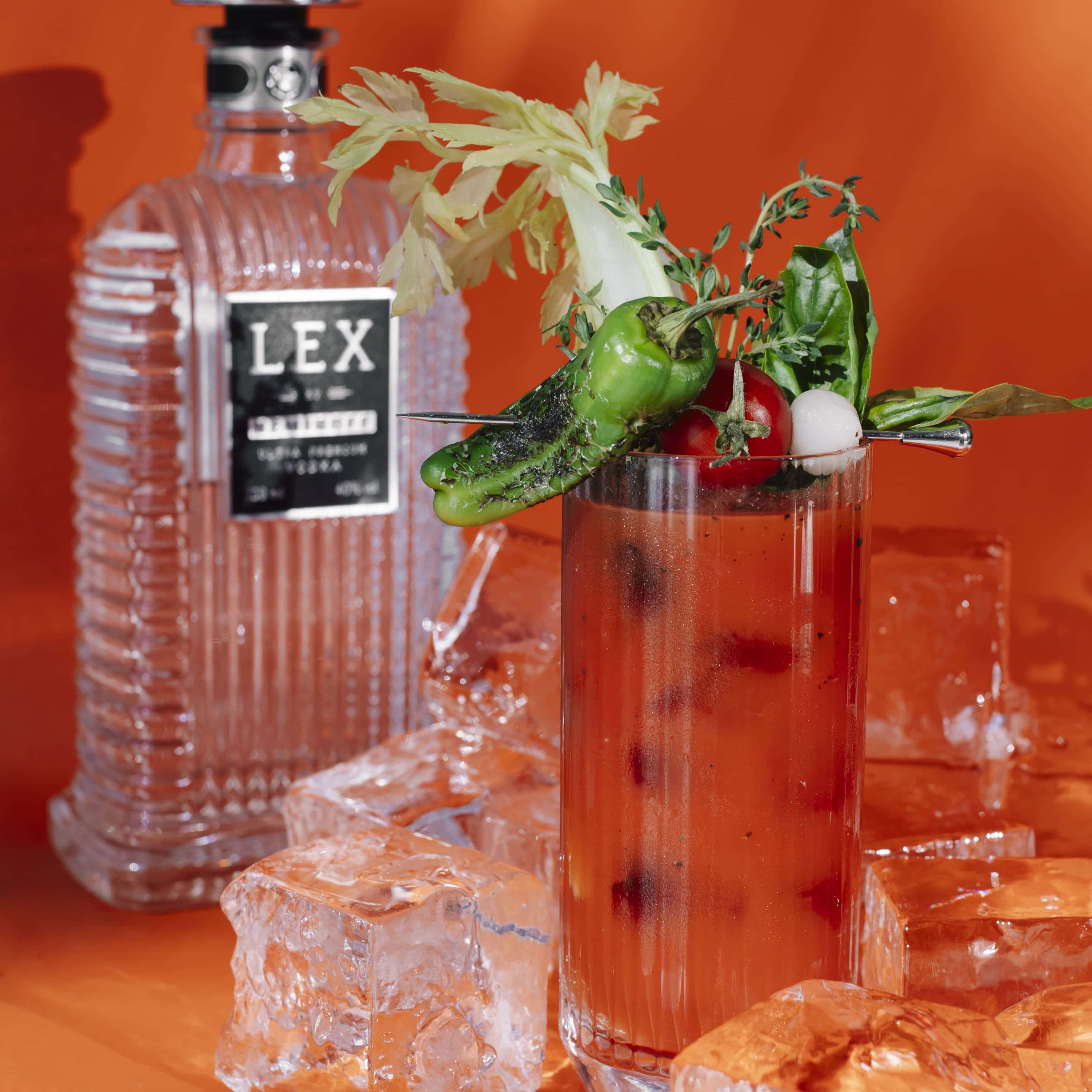
Cocktail garnishes also contribute to texture. A sprig of roasted rosemary adds a pleasant roughness to the touch. Prickly lemon zest or smooth olives create a contrast that makes each sip more interesting.
Organising an evening for the five senses requires attention to detail. But the result is worth it. This format transforms the standard scenario of hosting a cocktail party into an unforgettable event. Here, guests don't just eat and drink, they are completely immersed in the atmosphere you have created around LEX by Nemiroff and other flavours of the evening.
.avif)

.avif)
-3530x4566-94d8ffc.avif)
.avif)