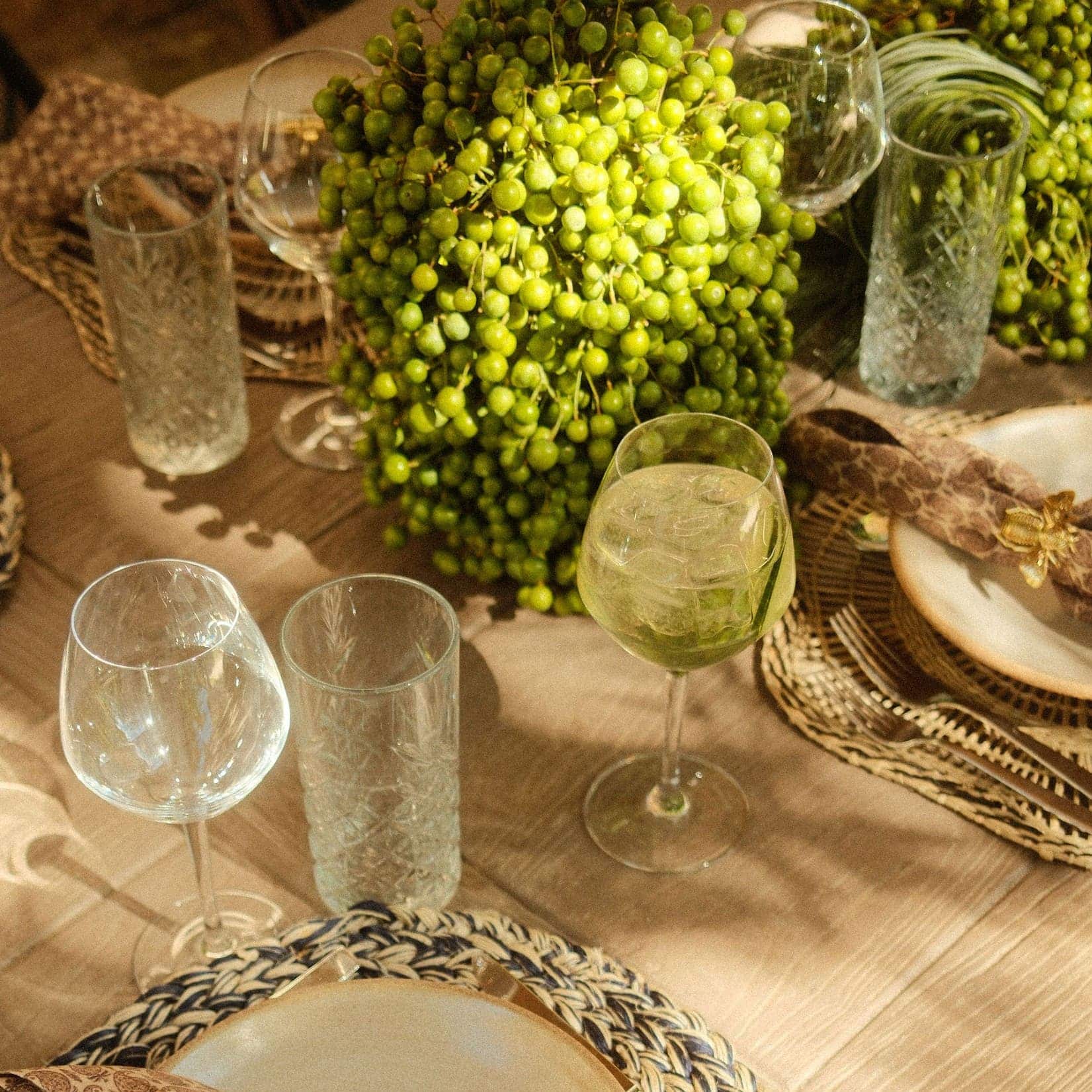
.avif "Vodka as a Palate Cleanser Between Courses")
The Role of a Palate Cleanser in Fine Dining
A good menu has something called a cleanser. This is not something that looks nice or a fancy trick. It is actually a tool that helps with eating. The palate cleanser makes sure that the tastes of the foods do not get all mixed up. This means that when you eat the dish you can really taste it on its own. You do not think it is a part of the food you had before. The palate cleanser helps you enjoy each dish separately. Most often, this technique has several purposes:
- remove any residual fat and viscosity that sticks to the palate and tongue,
- refresh the sense of smell if the previous dish was incredibly aromatic,
- allow for a short pause and reset expectations so that the contrast works better,
- maintain the pace of the dinner without overloading the stomach.
When a flavour cleaner is chosen appropriately, it does not draw attention to itself, but makes the entire set more readable.
Why Vodka Works as a Palate Cleanser
Vodka is really good at cleaning your palate. Vodka can be a palate cleanser because its profile is usually subtle. It is very plain and simple. Vodka does not have fruity smells or sweet tastes that can interfere with the food you are eating. Also vodka is a drink that evaporates very quickly. This means it leaves no taste in your mouth after you drink it which is not the case with some other strong drinks that have a lot of flavour.
You need to get the difference, with vodka. Vodka palate cleansing is not a promise to completely erase the taste. Alcohol in high concentrations can irritate the receptors and, if too much is consumed, can actually dull the sensitivity. The mechanism only works with the right amount and at the right moment.
How Vodka Refreshes the Palate Between Dishes
The refreshing effect usually consists of simple, understandable things, without mysticism or legends.
- Change in temperature and texture. A cold sip reduces the feeling of stickiness and greasiness in the mouth, and the next texture is perceived as cleaner.
- Short neutral contrast. When there is a “window” between two bright flavours without bright sweetness or acidity, it is easier for the brain to switch.
- Aromatic pause. The volatility of alcohol gives the sensation of a rapid disappearance of the background aroma and helps to tune in to a new aroma.
- Salivation. Mild irritation of the receptors stimulates saliva, which is a natural way to mechanically wash away the remains of sauce and spices.
This explains how vodka refreshes the palate between dishes, if it is served neatly and in small quantities.
Vodka Between Courses in Fine Dining Traditions
Vodka has a long cultural connection with food, especially where there is a lot of salty, fatty, pickled and spicy food on the table. In such traditions, vodka is not consumed as a dessert drink, but is used as a short contrast to appetisers. So it is worth saying that a time ago people who cooked fancy Western food used things like water, bread, sorbet and citrus fruits to clean their palates.
In some situations drinking vodka between courses is an idea.
.avif)
Vodka in Modern Tasting Menus
Today, vodka in fine dining appears selectively and meaningfully. Vodka is not something you have to have on the menu.. It is a good idea to have it when you want to change things up. For example if you want to get from food that is too rich and smoky and try something lighter with more subtle flavors. In these cases vodka is usually not served by itself. As a small pairing to help you move on to the next thing. Sometimes it comes with water or a plain snack.
Why vodka is served between courses is usually easy to explain in one sentence. The action is performed with the aim of separating one dish from another and getting rid of the aftertaste.
Serving Vodka as a Palate Cleanser
If you want to serve vodka as a palate cleanser at home or at an intimate dinner party, the main rule is simple: less is more.
What usually helps to make the serving correct:
- cooling the drink for a refreshing effect;
- taking small sips;
- pausing for at least a minute before the next course;
- having a glass of water as an alternative.
Vodka does not replace sorbet or water in all cases and should not become the dominant impression. When everything is done correctly, it helps to separate flavours, remove the aftertaste of the previous dish and allow the next course to stand out on its own — just as a good tasting set is intended to do.
.jpg)

.jpeg)
.jpg)