
What Gives Vodka Its Distinctive Taste and Character
The idea that vodka has no taste, that it is a neutral drink, is perhaps the long-lasting myth related to drinks. In fact, vodka flavour is a palette of nuances and delicate profiles that are formed by the decisions that were taken at each stage of the manufacturing process. Every ingredient has a specific fingerprint that it will leave behind on the final product. Wheat will have a more delicate, bread-like taste, whereas rye leads to an extra amount of spices. Potato vodkas can be rich, buttery and earthy flavored. Another type of vodka made from the ingredient corn leaves behind an additional softness in terms of sweetness.
Other than the basic ingredient, distillation and filtration are actually what create the character. A well made vodka has a clean, crisp taste and is so smooth that it goes down easily. The best quality vodkas, such as LEX by Nemiroff, have undergone a very fine filtering process to ensure that all impurities have been removed so that they do not have any harsh characters, which contribute to smoother and more refined product.

Why Vodka Can Enhance Flavours Without Overpowering Food
The unique chemistry of vodka is the reason why it can intensify the flavour of food without overpowering it. Water and fat are poor solvents compared to alcohol and cannot dissolve as many flavour compounds as alcohol does. A drink of clean, smooth vodka can help bring out some of those flavour compounds through an effect similar to evaporation. It is also the reason behind the success of traditional vodka pasta sauce, as the addition of one allows the tomato's flavour to be fully revealed, resulting in a richer and more complete sauce.
This principle applies itself in an amazing way when it comes to things you can put on the table as well. Some people use premium vodka as it cleanses the palate after you have had a mouthful of the food and refreshes the palate. Vodka taste is very plain and provides a neutral ground so that the true character of the food remains apparent.
Finding the Right Food Pairings for Different Vodka Styles
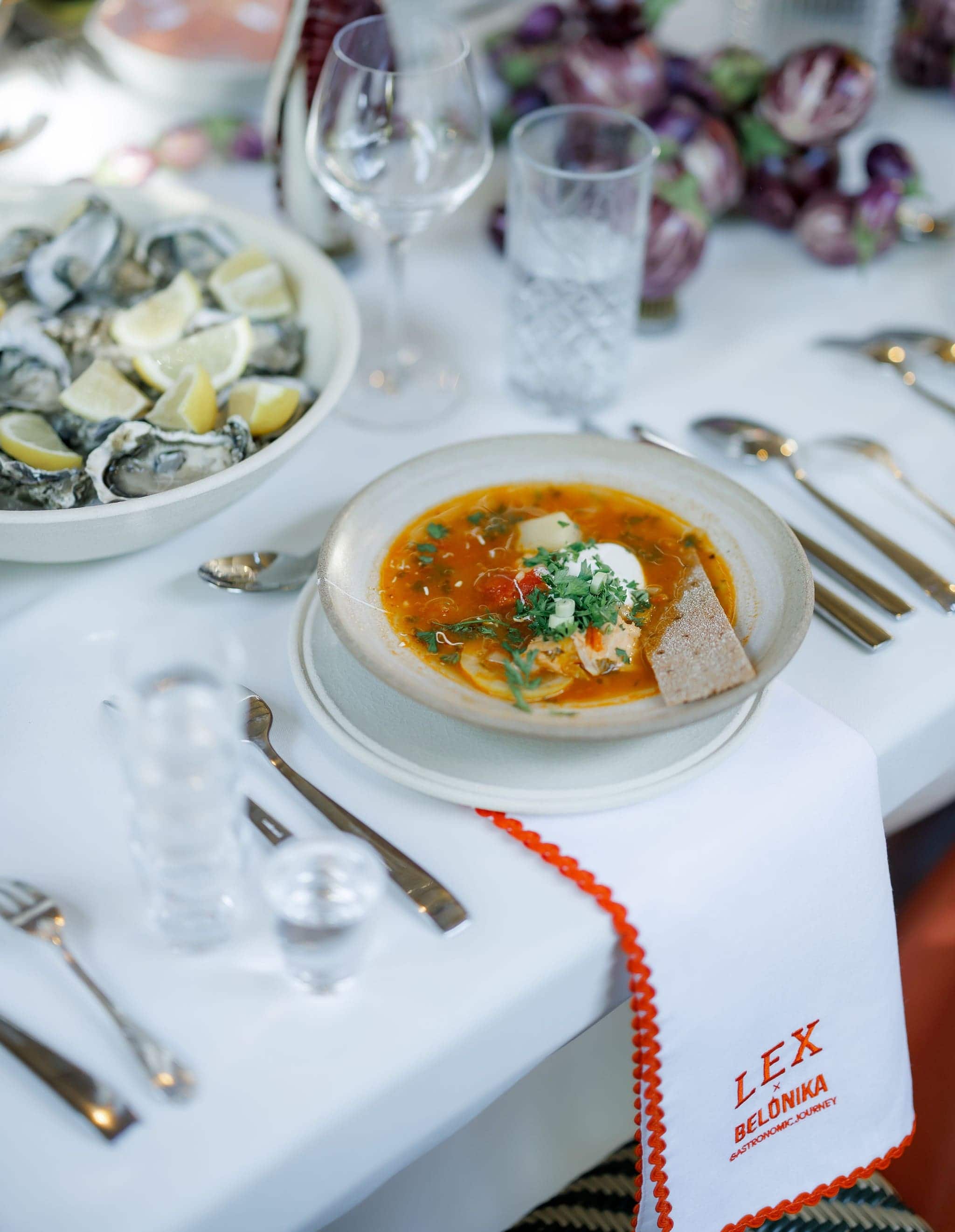
Vodkas differ subtly based upon their primary constituents and how they have been processed; thus, some will create a better synergy with foods than others. A smooth, classic wheat-based vodka that is light and very clean is a perfect pairing for delicate dishes prepared with seafood like oysters, salmon, and raw tuna presentations (i.e., tartare). The lightweight nature of this type of vodka will help to accent the freshness of the seafood rather than mask its flavour.
If you're looking for a vodka that's going to have a little more personality - a rye-based vodka that has a noticeable peppery kick - then consider having a richer, more savory menu. A well-seasoned grilled steak or lamb will go perfectly with the dry finish of the vodka and balance out the rich and smoky flavours. Cured meats such as prosciutto or salami as well as truffles have the perfect salty and bold umami flavour to accompany.
In addition to their silky smooth consistency, some vodkas are naturally perfect with delicate cheeses. Soft goat, Brie, or camembert cheeses create the perfect complement to the vodka's character, resulting in a wealthy and exciting pairing. When creating a meal, always factor in the characteristics you will be having and choose a dish that will be in harmony with the vodkas' profile.
.jpg)
How Serving Temperature Influences Aroma and Taste
Temperature is not an insignificant aspect of serving a vodka; in fact, it can change the experience of consuming it significantly. Many people are accustomed to serving their vodka straight out of the freezer due to tradition but an overly cold temperature actually creates an experience that is quite poor. If you were to serve at or below -18° C, the vodka's flavor profile remains hidden and the density and thickness prevent one from experiencing the nuances of the distillation process. In other words, the flavors you are seeking may be completely masked at very low temperatures.
For a vodka to be truly appreciated, it should be lightly chilled. The ideal temperature in the classic, pure way is between 4° C and 7° C. Vodkas that are more complex and have been made with the addition of botanicals or spices, will need to be served slightly warmer, so between 8° C and 10° C is going to work well. At this temperature level, it is still cool enough to be refreshing as well as provide the right texture.
Creating a More Enjoyable Vodka Drinking Experience
To elevate the vodka drinking experience, consider these simple yet effective steps:
- Choose Quality Glassware: A good glass concentrates the aroma, allowing you to appreciate the spirit's subtle notes.
- Temperature to Respect: As mentioned earlier, always keep your vodka chilled in the refrigerator, not the freezer. this helps maintain its fine character when served.
- Take Note of the Smell: Before you take a sip, take a moment to hold the glass up to your nose and have a little sniff.
- Take Small Sips: Smooth vodka should be enjoyed slowly. Take a small sip, let it rest for a minute on your tongue so you can enjoy how it feels first.
- Pair Mindfully: When enjoying vodka with food, consider the pairing. Let the vodka act as a palate cleanser, enhancing the flavours of each course.
Following those techniques makes a drink experience into a time of honest and true gratitude.
Appreciating Vodka as Part of a Shared Dining Tradition
For most cultures, vodka is considered much greater compared to a beverage; it has become part of the overall dining experience and the main symbol of hospitality and togetherness. Zakuski tradition, which means an array of appetizers served along with vodka, nicely fits in. The appetizers are meant to be served in a way that people are able to casually share and munch on them. Small such appetizers can consist of pickled vegetables as well as cured fish, various cheese and cold meats.
Vodka brings people together in social settings through the spirit of shared experience that accompanies each sip of the product and bite to eat. When enjoying LEX Nemiroff with family and friends at the dinner table, you are partaking in a ceremony where the finest foods are enjoyed, good friends keep the conversation going, and the presence of good spirit is quiet enough that its enjoyment would not interfere with anything else happening at the table
Conclusion
Great pieces of art tend to rely on restraint. A truly fine vodka such as LEX by Nemiroff requires no introduction; it does not compete with other foods at the meal but acts as an accompaniment to them, as well as an element that cleanses the palate. Once you have an appreciation of the subtle essence of the vodka, the principles behind vodka and food pairing, and the value you can gain from knowing the optimal serving temperature you will realize that this often underappreciated spirit can deliver much more than one can imagine.

.avif)
.avif)
-2289x1449-6de8195%20(1).avif)
.avif)