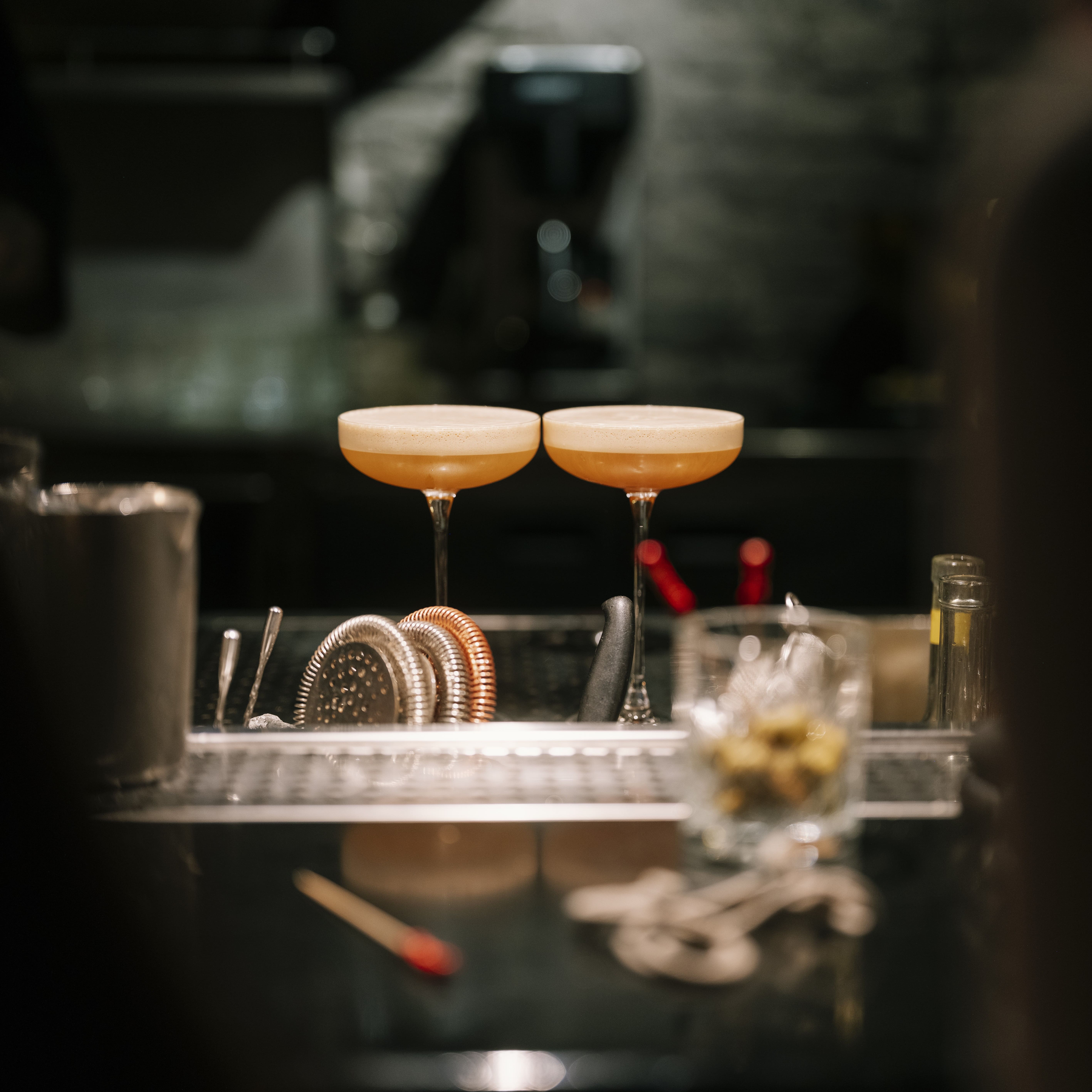
Why Accurate Measurements Are Essential for Great Cocktails
Chances are, you’ve eyeballed a pour before and thought “that should do it”. However, the reality is that cocktails are made of balance and precision. Take a classic vodka martini made with LEX by Nemiroff, there needs to be exactly the right proportion of vodka to vermouth. Too much and the drink will be way too sweet; too little and it will basically be cold vodka in a glass. The reason that accuracy is so important is that each ingredient performs a different function in the cocktail. Sweetness from syrup, acidity from citrus, and bitterness from tonic are all an equal part of the whole.
There's a reason professional bartenders use a jigger. It's nothing to do with style, it's about consistency. Measuring out the ingredients for a cocktail correctly will allow you to make every cocktail you produce to be as good as the previous one. This level of consistency gives you confidence when exploring new drink ideas. When you are working with a high-quality product such as LEX by Nemiroff, you have an obligation to serve your customers with a drink made correctly.
Choosing the Right Measuring Tools for Home Mixology
You do not need a full bar setup to start measuring accurately. A few simple tools will transform your home mixology. The most essential is the jigger. A jigger is a small, hourglass-shaped measuring cup, usually made of metal, with two different-sized ends. The most common sizes are 1 ounce (30 ml) on one side and ½ ounce (15 ml) on the other, though some jiggers offer 1½ ounces and ¾ ounce. These are the workhorses of the bar, allowing you to measure standard pour sizes with ease. Having the right cocktail measuring cups makes all the difference in your home bar setup.
Essential measuring tools for your home bar:
- A Jigger: This is your primary tool for measuring spirits and other liquid ingredients. Look for one with clear, engraved markings that will not wear off over time.
- A Liquid Measuring Cup: A standard glass or plastic measuring cup, marked in ounces and millilitres, is perfect for batching cocktails or measuring larger quantities of juices and syrups.
- A Set of Measuring Spoons: These are essential for very small amounts, such as bitters, saline solutions, or small quantities of syrups where even a few drops can change the character of a drink.
- A Kitchen Scale (Optional): For the most precise measurements, especially when working with denser ingredients like honey or certain syrups, a scale can be incredibly useful.
Each of these tools serves a specific purpose, and having them all on hand gives you the flexibility to follow any recipe with confidence and precision.
Understanding Cocktail Measurements and Recipe Ratios
Before you start pouring, you need to understand the language of cocktail recipes. Most recipes use ounces (oz) or millilitres (ml). In the United States, ounces are standard, while many other countries use millilitres. A standard cocktail measurement guide will show you that 1 ounce is approximately 30 ml, and 1½ ounces is about 45 ml.
The best recipes will come in ratios. For example, a classic Martini is in a ratio of 6:1; that is 6 portions of vodka to 1 portion of vermouth. For sour cocktails, the recipe is usually 2:1:1; two parts of alcohol, one part of sour ingredients (ex: lemon juice, lime juice), and one part of sweet ingredients (ex: simple syrup). Once you have the ratio down, it is much easier for you to increase or decrease the recipe because you will not lose the balance of flavors. Knowing how to use measuring cups for cocktails allows you to use any type of tool as long as you measure according to the correct ratios.
How to Measure Liquid Ingredients with Measuring Cups
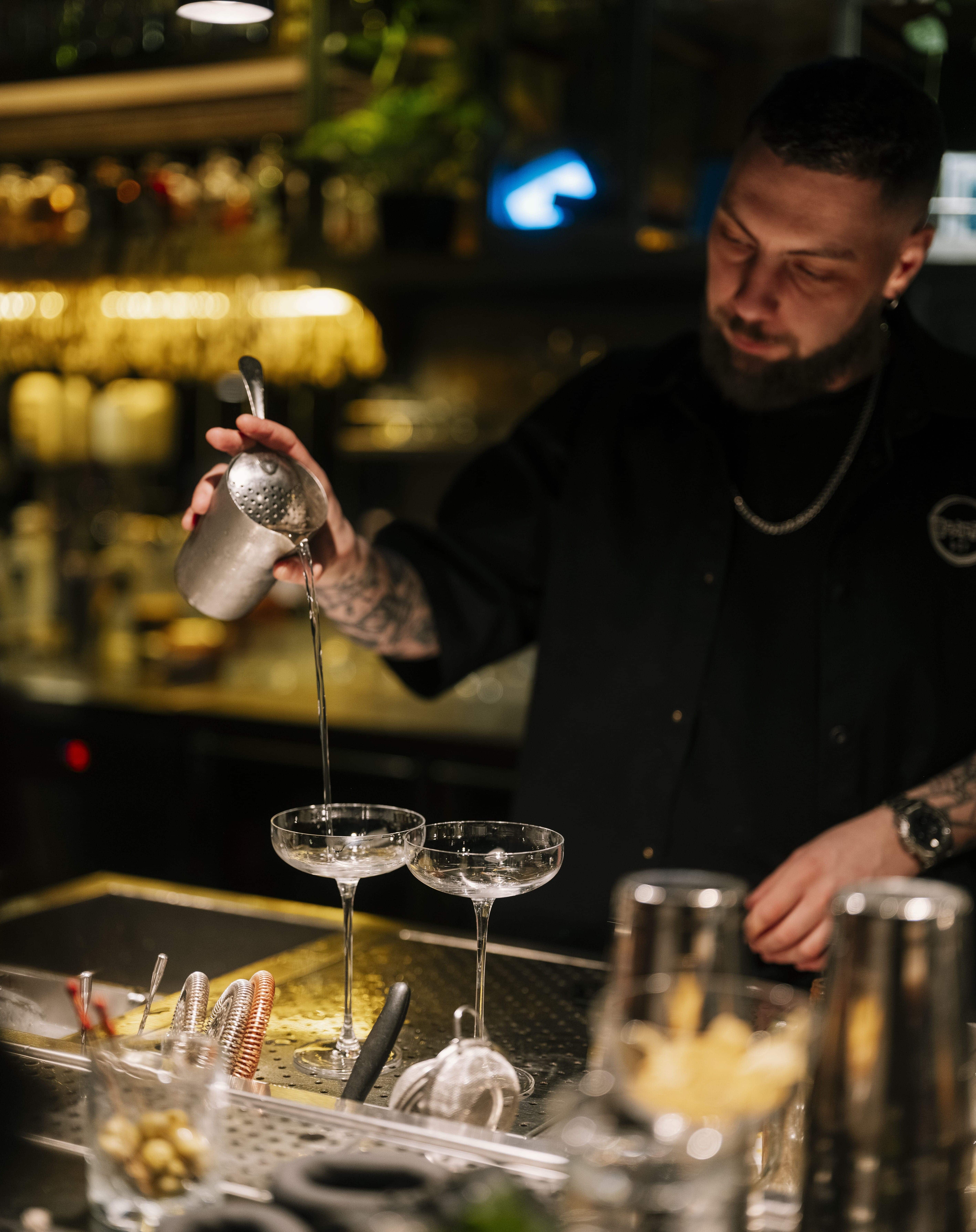
Measuring liquids accurately is straightforward, but there are a few tricks that make a difference. When using a jigger, hold it between your thumb and forefinger, or between your first and second fingers. Fill it brim-full with your liquid of choice. Do not stop at the rim; fill it to the very top for an accurate measure. When you pour, use a clean, forward twist of the wrist to empty the jigger completely.
For larger amounts, use a liquid measuring cup placed on a flat surface. Bend down so your eye is level with the markings. This prevents the parallax error that can make you over-pour or under-pour. For syrups and other viscous liquids, a quick spray of water inside the measuring cup can help the liquid slide out more easily, giving you a more accurate measure.
Scaling Cocktail Recipes Without Losing Balance
One of the most useful skills in home mixology is learning how to scale a recipe. Whether you are making a single drink or a punch for a crowd, the principle is the same: maintain the ratio. If a recipe calls for 50 ml of LEX by Nemiroff, 20 ml of lime juice, and 15 ml of elderflower cordial, that is a ratio. To double it, simply multiply each ingredient by two.
When batching cocktails for a party, add water to account for the dilution that would normally come from shaking or stirring with ice. A general rule is to add about 20-25% of the total liquid volume as water for stirred cocktails, and 25-30% for shaken cocktails. This ensures that your batched drink is not overly strong once it is poured over ice.
Common Measuring Mistakes That Affect the Final Drink
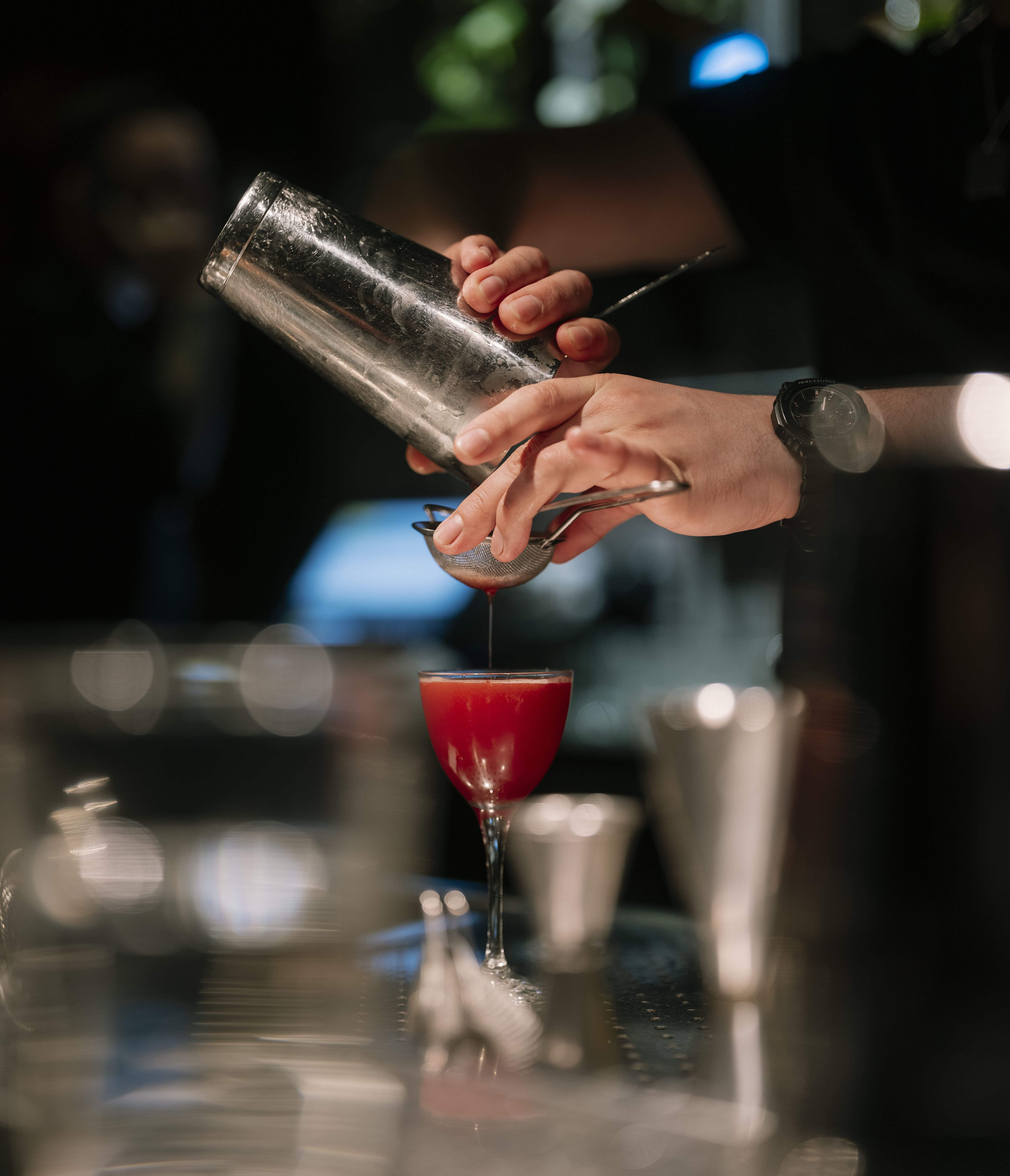
When you're making cocktails at home, even the pros do it wrong. The very common mistake is picking the incorrect measuring instrument. A tablespoon should not be compared to a jigger. It could probably work but you still want one over the other one because 2 tablespoons is approximately 1 ounce. Another frequently seen mistake is over pouring. it's very easy to let your pour continue for a longer time with a heavy bottle, and a jigger lets you know when to stop.
A third mistake is not accounting for the density of ingredients. Simple syrup is heavier than water. If you measure by volume, you are fine, but if you are using a kitchen scale, you need to know the specific gravity of each ingredient. For most home use, volume measurements with a jigger or measuring cup are perfectly adequate.
Conclusion
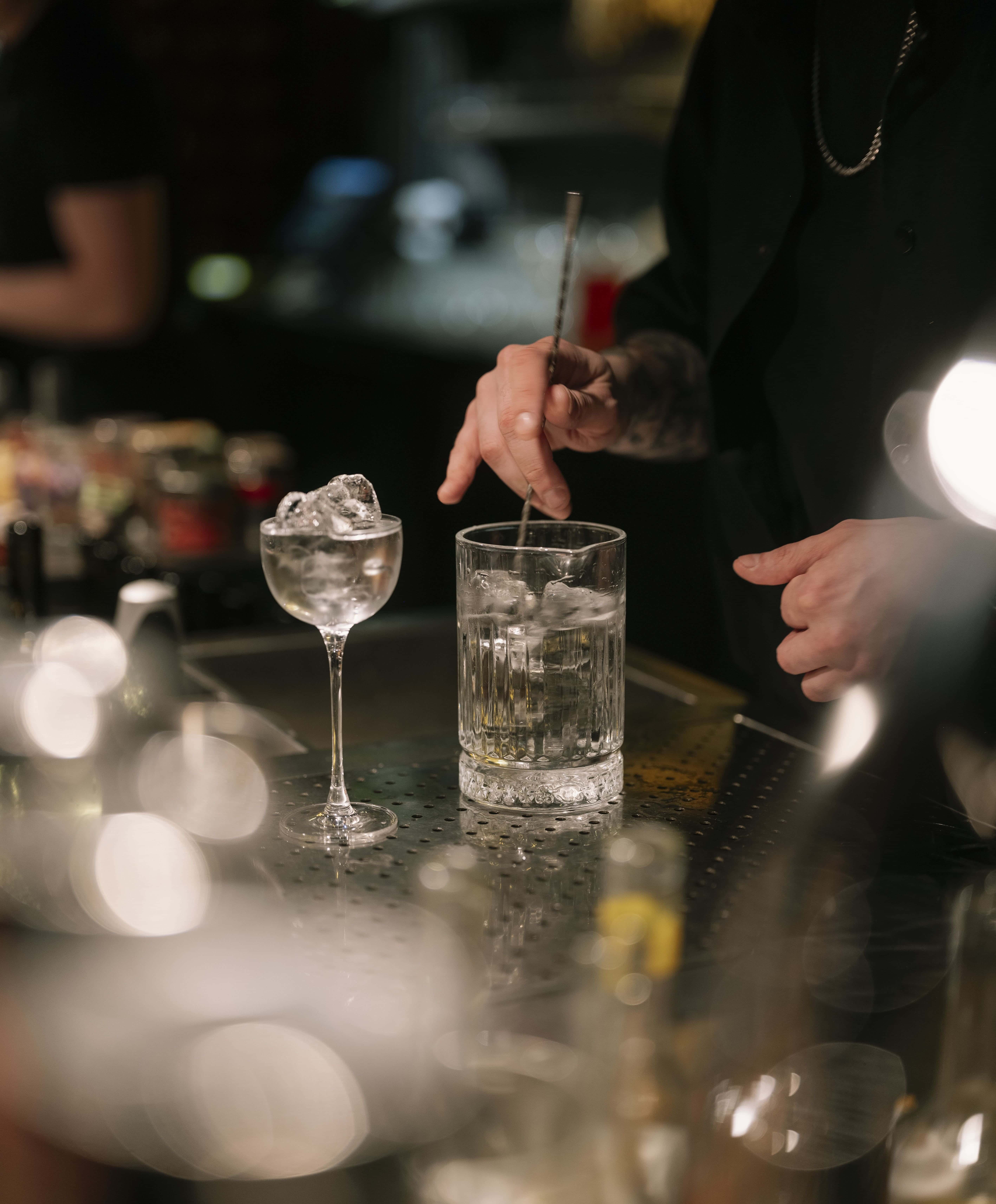
Mixing drinks shouldn’t be something you hate doing. Measuring cocktail ingredients is the basis of good mixology practices. Developing your ability to measure cocktail ingredients accurately will allow you to make the same great-tasting cocktail over and over again. You’ll be able to follow any recipe for your guests, or create new ones on a larger ‘scale’. Using a premium vodka like LEX by Nemiroff is a fantastic choice, as measuring with accuracy ensures that this vodka's smooth, refined qualities are evident in every drink. Get yourself a decent jigger and learn the proper proportions, then start measuring out the ingredients; your cocktails will improve drastically in no time.
.avif)
.jpg)

