The Science of Sip: How Temperature Affects Flavour
Our taste buds respond differently to liquids depending on their temperature. Cold makes sweetness and bitterness less noticeable. This explains why chilled cocktails taste so refreshingly crisp.
When a drink drops below 10°C, its aromatic compounds slow down significantly. Fewer molecules escape into the air, which means a cold drink produces a weaker aroma. However, this trade-off makes the core flavour cleaner and more defined. The taste becomes strikingly clear when served ice-cold.
The familiar burn of alcohol also retreats at lower temperatures, allowing the other parts to emerge. LEX by Nemiroff is an ultra-premium vodka brand. It is served chilled. This emphasises its softness and purity.
The opposite happens at room temperature. Warm vodka drinks accentuate the full range of aromas, giving them a richer, more viscous texture. Additionally, this process intensifies both the sweetness and bitterness.
The Chilled Standard: Why We Shake and Stir
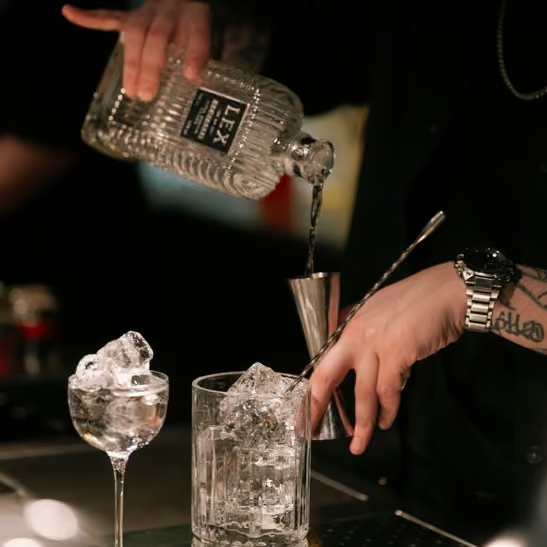
Using a shaker or mixing glass serves two purposes: cooling the liquid and transforming its physical structure. The special velvety texture of LEX vodka is acquired during the intensive mixing process, making it the perfect base for long drinks and shots. Most cocktails are crafted with chilling in mind, as cool temperatures help balance potency and sweetness to create harmonious concord.
There are two main mixing options:
1. Cooling the drink is just one benefit of shaking. This makes it lighter and silkier. At the same time, the ice melts, diluting the cocktail. Classic cocktails like the Cosmopolitan would be unimaginable without this method.
2. Stirring is defined as the mixing of ice in a bar glass. It is a more delicate technique. It cools the drink without aeration. This preserves the crystal clarity and density of the structure. This method is ideal for spirit-based cocktails such as Martini or Negroni, where smoothness and the absence of bubbles are important.
Moreover, the cocktail serving temperature exerts a significant influence on one's psychological perception. A chilled drink is linked to invigoration, buoyancy and the warmer months, which are all things that folks desire more of as the temperature rises. It signals refreshment, relaxation, and immediate enjoyment. The ice in a glass makes it look like the drink is for drinking now.
_(1).jpg)
The Case for Room Temperature: When Warmer is Better
A specific category of drinks known as "Scaffas" exists for those who prefer their cocktails without ice, served at room temperature. They are room temperature cocktails consumed without ice. The highest level of tasting is considered to be this approach, as it does not tolerate poor-quality ingredients. When you serve LEX without chilling, you experience the work of Nemiroff's master distillers in its purest, most original form.
The advantages of serving at room temperature include:
- Fullness of exposure — secondary aromas are revealed that usually remain unnoticed behind an icy veil.
- Long aftertaste — warmth promotes slower evaporation of essential oils, prolonging the pleasure of each sip.
- Sensory depth — the drink is perceived as more complex and multifaceted.
This serving format is often chosen for digestifs, when there is no need to rush and every moment invites lingering.
Ice as an Ingredient: Understanding Dilution in Mixology
Ice, in any context, is not just cold. Does ice dilute alcohol? Yes. The physics is simple: as ice gradually melts, it reduces the concentration of dissolved substances, directly affecting taste perception.
In spirits with a pure alcohol base, every dissolved gram registers clearly on the palate. As water volume increases, not only the strength differs, but also the bouquet profile. The presence of lighter notes becomes more noticeable, while the position of heavier components becomes less dominant.
.jpg)
Serving Recommendations for Lex by Nemiroff Cocktails
LEX was created as a vodka for connoisseurs who understand the difference between ordinary and exceptional. Its multi-stage filtration and ageing process create a product with unique smoothness and purity, opening up a wide range of possibilities for mixology:
1 Classic LEX Martini.
Chill a martini glass in the freezer. Add 60 ml of LEX, 10 ml of dry vermouth and large ice cubes to a bar glass. Strain into the chilled glass and garnish with an olive or lemon zest. Serve at 0-2°C.
2. LEX Mule.
In a highball glass, add 50 ml of LEX, 20 ml of freshly squeezed lime juice, and 10 ml of sugar syrup. Fill the glass with crushed ice and add 100 ml of ginger beer. Stir with a bar spoon. Garnish with a slice of lime and a sprig of mint. Serve as cold as possible — the ice should fill the glass to the brim.
3. Neat serving.
The bottle of LEX should be chilled to -8°C (it is not recommended drinking vodka warm). You can serve this in chilled 50 ml shot glasses. When it comes to this temperature, the vodka takes on a viscous, almost oily texture, unveiling delicate grain notes and a touch of sweetness without the harshness of alcohol.
The best temperature for vodka cocktails is important. It's not a technical nuance. It's a fundamental element of its character. The cooling of the taste buds results in clarity and refreshment. Complexity is revealed by warmth. Scents are made stronger by it and it causes you to think.
Why do we put ice in drinks? So why do we put ice in drinks? Ice acts as a third bartender. It subtly adjusts balance through controlled dilution, transforming a good cocktail into a great one.
.avif)
.avif)
.avif)
.jpeg)